
Busan Train 2026: Tickets, Stations, Routes & Travel Tips
🚄 Busan Train Journey Planner
Imagine racing across South Korea at 300 km per hour while beautiful countryside flashes past your window. That thrill is the Busan train experience. Many travelers still talk about the hit movie Train to Busan. It turned this route into a bucket-list adventure for fans worldwide.
This guide covers everything you need for Busan rail travel. You will learn about fast KTX high-speed trains, comfortable intercity options, scenic local trains like the Haeundae Beach Train, and smooth metro connections. It includes clear booking steps, current ticket prices, schedules, station tips, and money-saving advice.
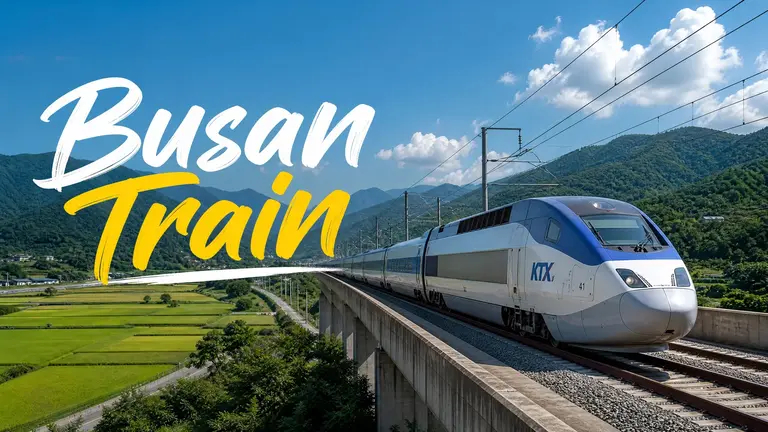
Train travel beats flying on this route. You skip long airport lines and security waits. You enjoy stunning views during the journey. Total door-to-door time often beats planes. Tickets usually cost less, especially with advance booking or passes. Plus, you arrive right in the city center at Busan Station.
In 2026, Korail keeps improving service. Schedules stay frequent with more than 70 daily KTX departures. Newer trains offer better comfort. Small expansions improve local connections. Prices remain competitive with early booking deals from around $20–35 USD for economy class.
I built this guide from official Korail sources, real-time traveler reports, and direct knowledge of the Korean rail system. The information stays fresh for 2026 trips.
You will discover how to book Busan train tickets online, compare KTX classes, plan perfect itineraries, and explore Busan like a pro. Whether you want a quick Seoul to Busan trip or a full rail adventure, this guide helps you travel smarter.
Understanding Busan Railway System & History
Busan Station first opened its doors on April 1, 1908. At that time, it served as a key stop on the growing Gyeongbu Line. This line linked Seoul to Busan, South Korea’s major port city. The station has grown into a vital transport hub over more than 118 years.
Korea launched modern high-speed rail in 2004. The KTX system transformed travel on the Seoul-Busan route. New dedicated tracks cut journey times dramatically. Today, sleek KTX trains connect the two cities in just over two hours. This shift marked Korea’s entry into the high-speed rail era.
Busan sits at the heart of South Korea’s rail network. The system includes fast KTX high-speed lines, regular ITX-Saemaeul trains, and slower Mugunghwa services. These options suit different budgets and schedules. Busan Metro adds four main lines plus light rail links like the Busan-Gimhae line. Total metro length reaches about 116.5 km with 114 stations. The wider network exceeds 205 km when you include all connections.
Daily ridership tells the real story. Busan Station handles tens of thousands of passengers every day. Nationwide, Korean rails carried a record 42 million riders in early 2026. The busy Seoul-Busan corridor drives much of this traffic. Busan acts as the southern gateway for both people and goods.
Busan Station (부산역) serves as the main hub. You find it in Dong-gu, near the port area. The striking glass building opened in 2003 with the KTX launch. Natural light fills the spacious halls. Shops, cafes, and waiting areas make it comfortable for travelers. It connects directly to Busan Metro Line 1. From here, you reach the rest of the city quickly or board ferries to Japan.
Different trains serve different needs. Intercity KTX trains deliver speed for long distances. They whisk you from Seoul to Busan fast. Busan Metro handles short city trips with frequent stops. Scenic tourist trains, such as the Haeundae Beach Train, offer relaxed coastal rides. Each type works together for smooth travel.
This system works hard for everyone. Local commuters ride it daily to work or school. International tourists use it to explore Busan and nearby cities like Gyeongju. Clean stations, English signs, and helpful staff create a welcoming environment. Korail and Busan Transportation Corporation keep the network reliable and safe.
Busan rail travel combines history with modern efficiency. You step into more than 100 years of development every time you board a train. The network continues to expand and improve. This makes Busan an excellent base for rail adventures across South Korea.
Seoul to Busan Train: The Complete Route Guide
The Seoul to Busan train route ranks as one of South Korea’s most popular journeys. Travelers love its speed and comfort. KTX high-speed trains make this trip fast and enjoyable.
Distance and Speed
The route covers 417 kilometers. KTX trains reach speeds up to 305 km/h. Most trips take 2 hours 15 minutes. The fastest services finish in about 2 hours 11 minutes. You arrive refreshed and ready to explore Busan.
Why Choose KTX?
KTX stands out as the best train to Busan. It delivers the fastest travel time. You enjoy modern seats, smooth rides, and clean cars. ITX-Saemaeul trains take around 4 to 5 hours and cost less. Mugunghwa trains run even slower, up to 5–6 hours, but offer the cheapest fares. Choose KTX when you value time and comfort most. Pick slower trains to save money on relaxed trips.
Route Highlights and Major Stops
Trains usually start at Seoul Station or Yongsan Station. They speed south along the Gyeongbu High-Speed Line. You pass modern cities and green countryside.
Key stops include:
- Daejeon – a major hub about halfway.
- Dongdaegu – great for transfers to other cities.
- Some services stop at Gyeongju for history lovers.
The train glides through tunnels and over bridges. Windows frame rice fields, mountains, and rivers. Many riders call this one of Korea’s most scenic rail journeys.
Busan to Seoul Train (Reverse Route)
The return trip works almost the same. Trains leave Busan Station and head north. Travel time stays similar at around 2 hours 15 minutes. Evening departures from Busan often face fewer delays. You enjoy sunset views over the countryside on late trains. Frequency matches the Seoul direction with over 70 daily services.
Other Popular Routes from Busan
Busan serves as an excellent base for day trips.
- Busan to Daegu: Takes about 1 hour 13 minutes on KTX. Many travelers use this route.
- Busan to Gyeongju: Runs in just 27 minutes. Perfect for ancient temples and history.
- Busan to Daejeon: Lasts around 1 hour 21 minutes.
- Busan to Incheon: Needs a transfer in Seoul but stays easy with good connections.
These short trips let you explore more of Korea without flying.
Scenic Value and Onboard Experience
KTX trains feel spacious and quiet. Large windows show changing landscapes. You watch cities give way to mountains and coastlines.
Seats recline comfortably in both economy and first class. Power outlets and free Wi-Fi keep you connected. Clean bathrooms stay well-maintained. Food carts sell snacks, drinks, and simple meals. Many people bring their own Korean convenience store meals.
First class offers wider seats and extra legroom. Attendants provide better service. Economy class still feels modern and relaxing for most travelers.

Busan KTX Tickets, Prices & Classes in 2026
KTX tickets to Busan offer great value in 2026. Prices stay competitive, especially with early booking. You can travel this popular route without breaking your budget.
Current KTX Fares
Economy class (reserved seat) from Seoul to Busan costs around ₩59,800 (about $43 USD). Non-reserved economy seats start lower at ₩50,800 ($36 USD). First class runs about ₩83,700 ($60 USD). Real prices range from $20 to $57 depending on the date and booking time. Children aged 6-12 pay half price. Kids under 6 ride free with an adult.
What Affects Ticket Prices
Book early for the lowest fares. Advance purchase saves the most. Peak times like weekends, holidays, and summer cost more. Weekday morning or evening trains often stay cheaper. Last-minute tickets rise quickly during busy periods. Flexible dates help you find deals.
Cheapest Train Strategies
Buy tickets 1 to 4 weeks ahead on weekdays. Compare non-reserved economy seats for big savings. Use split tickets for extra discounts on some platforms. Check current offers on Korail or trusted sites like Klook and Trip.com. Early 2026 deals often drop economy fares below $25.
Economy Class vs First Class
Economy class gives comfortable seating in a 2+2 layout. Seats recline well and include power outlets. You get plenty of legroom for most travelers. First class uses a 2+1 layout with wider seats and more space. It feels quieter and more premium. Attendants serve first class passengers more often. Both classes offer clean bathrooms and good Wi-Fi. First class works best for longer trips or when you want extra comfort. Economy class satisfies most tourists perfectly.
Luggage Rules
You can bring several bags without strict weight limits. Place large suitcases in the racks at the end of each car. First class has slightly more storage space. Both classes keep luggage safe and accessible.
Korea Rail Pass vs Point-to-Point Tickets
The Korail Pass gives unlimited rides for a set number of days. It makes sense for multi-city trips with side visits to Gyeongju or Daegu. A 2-day flexible pass costs around $87–90 USD. Point-to-point tickets work better for simple Seoul to Busan round trips. They cost less if you travel only once or twice. Calculate your full itinerary first. Choose the pass when you plan three or more train rides.
Simple Fare Calculator Examples
- Seoul to Busan round trip (economy, reserved): About $85–95 USD.
- Seoul to Busan + Busan to Gyeongju day trip: Pass often wins.
- Family of four with weekend travel: Saver Pass saves money.
Add side trips to see the real value. Always compare total cost for your exact dates.
Discounts for Tourists, Families, and Groups
Tourists benefit from the Korail Pass. Families save with child discounts. Groups of 2–5 people qualify for the Saver Pass and cut ₩10,000 per person. Seniors can buy concession tickets at stations with proof of age. Check for seasonal promotions and early bird offers. Book together as a group for instant savings.
How to Book Busan Train Tickets Online – Step-by-Step
Booking Busan train tickets takes just a few minutes. You save time and money when you book early. Follow these simple steps for a smooth experience.
Best Platforms
Use these reliable options:
- Official Korail website (korail.com) and Korail Talk app – best for direct booking.
- Klook – easy for foreigners with clear English and fast support.
- Trip.com – great search tools and mobile tickets.
Korail gives you the most options. Third-party sites add convenience and sometimes small discounts.
KTX Online Booking Tutorial
- Go to korail.com and switch to English.
- Select “Normal Ticket” or “Ticket Reservation.”
- Enter Seoul as departure and Busan as arrival.
- Pick your travel date and number of passengers.
- Click Search to see all KTX times and prices.
- Choose your preferred train and seat.
- Enter your passport details accurately.
- Pay with your credit card.
You receive a mobile QR code or e-ticket instantly. Save it on your phone.
Busan Train Reservation Tips
Book up to one month in advance. Tickets open at 7:00 AM one month before departure. Select your exact seat on the map for better views or quiet areas. Check refund rules before you pay. Most tickets allow cancellation before departure with a small fee. Always double-check passenger names and passport numbers.
Buying Tickets at Busan Station
Last-minute travelers use ticket machines or counters at Busan Station. Machines support English and accept cards or cash. You can buy tickets until 10 minutes before departure at machines or right until departure at counters. This works great when plans change suddenly.
Mobile Tickets and T-money
Most tickets come as QR codes. Show your phone at the gate. No printing needed. You can link some tickets to your T-money card for easy transfers to Busan Metro. Keep your phone charged and screenshot your ticket as backup.
Common Mistakes to Avoid
- Enter your real passport name and number exactly. Mismatches cause problems at the gate.
- Do not book too close to departure during peak hours.
- Avoid using VPNs during payment – they sometimes block foreign cards.
- Confirm your station (Seoul Station vs Yongsan).
If you face issues, refresh the page or try another browser. Korail customer service helps foreigners quickly.
Instant KTX Reservation Workflow
Need a ticket fast? Open the Korail app or Klook. Search your route. Pick the next available train. Complete payment in under two minutes. You get your ticket immediately. This instant process works perfectly for flexible travelers.
Busan Train Schedule & Timetable 2026
KTX trains run frequently between Seoul and Busan. You get many choices every day for flexible travel plans.
Seoul to Busan KTX Timetable Highlights
The first KTX leaves Seoul around 05:13. The last train departs near 22:30. More than 69 KTX services run daily. Morning trains often finish the trip in about 2 hours 11 minutes. Evening services take slightly longer, around 2 hours 24 minutes. Trains leave every 15 to 30 minutes during peak hours.
Busan to Seoul Schedule
The reverse direction offers similar frequency. The earliest train leaves Busan around 04:59. The last departure runs until about 22:10. You enjoy the same fast travel times in both directions.
How to Check Real-Time Schedules
Visit the official Korail website or download the Korail Talk app. These tools show live updates and seat availability. Third-party sites like Klook and Trip.com also display current timetables. Always check one day before travel for any changes.
Peak Season and Holiday Adjustments
Schedules get busier during summer, Korean holidays, and weekends. Trains often sell out fast. Korail sometimes adds extra services during major holidays like Chuseok or Lunar New Year. Book earlier during these periods. Prices rise slightly on peak days.
Busan Station Departure and Arrival Patterns
Most trains arrive and depart from the main Busan Station. Platforms stay well-organized with clear English signs. Arrive 15–20 minutes early to find your car easily. Trains run on time with very few delays.
Integration with Busan Airport Connections
Gimhae Airport links smoothly to the rail network. Take the Busan-Gimhae Light Rail to Daejeo Station, then transfer to metro Line 3 or a short train ride to Busan Station. The full trip takes 40–60 minutes. Limousine buses offer a direct option to Busan Station too. This makes airport arrivals stress-free.
Recommended Day-Trip Schedules
- Gyeongju day trip: Catch a morning KTX from Busan (27 minutes). Return in the evening.
- Daegu day trip: Leave early and return by late afternoon (1 hour 13 minutes each way).
- Seoul round trip: Take the 07:00–08:00 train from Busan. Return on an evening service after sightseeing.
Multi-City Itinerary Example
Day 1: Seoul to Busan (morning KTX).
Day 2: Busan to Gyeongju (early train).
Day 3: Gyeongju back to Busan or onward to Daegu.
These patterns help you maximize your time without rushing.
Arriving at Busan Station: Facilities & Local Connections
You step off the KTX and enter a bright, modern station. Busan Station welcomes you with natural light and clear signs. This hub makes your arrival smooth and stress-free.
Station Layout and Key Areas
The main hall feels open and spacious. Ticket offices sit on the first floor. Waiting areas offer comfortable seats. Luggage storage lockers appear on both 1F (near Exit 5) and 2F. You find them easily with English signs. The glass architecture creates a bright atmosphere throughout the building.
Facilities at Busan Station
Free Wi-Fi covers the entire station. You stay connected without problems. Many restaurants and convenience stores serve quick meals. ATMs and currency exchange desks help with money needs. Clean restrooms stay well-maintained. Elevators and escalators improve access for everyone. You can charge your phone at multiple spots.
Things to Do Near Busan Station
Several attractions lie within walking distance. Chinatown and Texas Street sit just minutes away. You enjoy international food and unique shops. The pedestrian skywalk leads directly to the Busan Port International Passenger Terminal. A large plaza in front of the station often hosts small events. These spots give you quick sightseeing right after arrival.
Seamless Transfers
Busan Metro Line 1 connects directly underground. You reach the subway in under two minutes. Clear signs guide you to the correct exits. Buses stop right outside for all city areas. Taxis wait in an organized rank. For Japan trips, walk 5–10 minutes to the ferry terminal via the skywalk. Everything links together efficiently.
Intercity Connections
You can board trains back to Seoul anytime. Frequent KTX services depart daily. Other intercity trains head to Daegu, Gyeongju, and more. Ticket machines and counters stay open for easy bookings. This makes Busan Station your perfect gateway for further rail adventures.
Accessibility and Family Features
The station offers excellent accessibility. Elevators serve all floors. Wide pathways help wheelchair users. Staff assist travelers who need help. Family restrooms and nursing rooms support parents. Kids enjoy the bright, open spaces. These features make Busan Station welcoming for all ages and abilities.
Scenic & Tourist Trains in Busan (Haeundae & More)
Busan offers more than fast KTX rides. You can enjoy relaxing scenic trains along the beautiful coastline. These tourist trains deliver unforgettable views and fun experiences.
Haeundae Beach Train and Sky Capsule
The Haeundae Blueline Park features two popular attractions. The Beach Train runs a 4.8 km route between Mipo and Songjeong. It stops at six scenic points, including Dalmaji Tunnel and Cheongsapo. Colorful Sky Capsules glide above the tracks for elevated ocean views.
Current Prices (2026)
- Beach Train (per person): One-way: ₩8,000 Round-trip: ₩12,000 Unlimited day pass: ₩16,000 (hop on and off at all stops)
- Sky Capsule (per private capsule, not per person): 1-2 people: ₩40,000 3 people: ₩45,000 4 people: ₩50,000
Operating Hours
Sky Capsule usually starts at 9:00 AM. Beach Train begins around 9:30 AM. Closing times change by season — they run until 6:00 PM in winter and up to 8:30–9:30 PM in summer. Always check the official site before you go.
Booking Tips
Tickets for the next week open every Tuesday at 7:00 AM on bluelinepark.com. Book early, especially for weekends and sunset rides. You can also buy through Klook or Trip.com for easier English support. Each capsule holds up to four people and feels private and romantic.
Blueline Park Experience
Ride the Beach Train for relaxed coastal views. Switch to Sky Capsule for higher, dramatic perspectives. Walk along the parallel Green Railway trail if you prefer. Many visitors combine both rides in one visit. The area stays open year-round and operates even in light rain.
Other Local Rail Options
Busan offers additional coastal and commuter routes. The Donghae Line provides scenic rides along the east coast. These trains connect different beaches and neighborhoods with frequent service.
Perfect Itineraries: Combine KTX with Tourist Trains
Take a morning KTX from Seoul to Busan Station. Transfer to Metro Line 2 and reach Haeundae in about 40 minutes. Spend the afternoon on the Beach Train and Sky Capsule. This mix gives you both fast intercity travel and relaxing local sightseeing in one day.
Recommended Day-Trip Trains from Busan
- Gyeongju: The fastest KTX covers the distance in just 27 minutes. Explore ancient temples and return the same evening.
- Daegu: Takes about 1 hour 13 minutes. Great for shopping and city vibes.
- Daejeon: Runs around 1 hour 21 minutes. Perfect for a quick change of scenery.
These short trips turn your Busan base into a hub for easy adventures.
Busan Public Transportation & Full Transit Guide
Busan combines fast intercity trains with excellent city transport. You move around easily and affordably using the full system.
Busan Metro Overview
Busan Metro runs four main lines plus light rail extensions. Line 1 connects directly to Busan Station. Line 2 serves Haeundae and beaches. The network covers 116.5 km with over 114 stations. Trains run from around 5:00 AM until midnight. Clean cars and English announcements make it tourist-friendly.
Integration with Trains
You transfer from KTX at Busan Station straight to Metro Line 1. The underground connection takes less than two minutes. This seamless link lets you reach any part of the city quickly after your Seoul to Busan train arrives.
Fares, Tickets, and Passes
Single rides cost ₩1,300 to ₩1,900 depending on distance. Buy a T-money card for discounts and easy use on metro, buses, and some trains. One-day passes offer unlimited rides for heavy sightseeing days. Children and seniors get special rates. Keep your ticket for exit gates.
Busan Subway and Train Tips
Stand on the right side of escalators. Give priority seats to elders and pregnant women. Download Naver Map for real-time routes and exit information. Avoid rush hours (7:30–9:00 AM and 5:30–7:30 PM) when possible. Trains stay safe, clean, and punctual.
Full Transportation System
Buses cover every corner of Busan with clear numbers and routes. Taxis wait outside major stations and attractions. Rideshares like Kakao Taxi work well and often cost less than regular taxis. All options connect smoothly with the rail network.
Practical Tips, Safety & Money-Saving Advice
Smart preparation makes your Busan train journey smooth and enjoyable. Follow these practical tips for a stress-free trip.
Essential Tips for First-Timers
Arrive at the station 15–20 minutes early. Check the electronic boards for your platform and car number. Keep your passport ready for ticket checks. Download the Korail Talk app and Naver Map before you travel. These two apps solve most navigation problems.
Luggage, Etiquette, Wi-Fi, and Food
Place large suitcases in the racks at the end of each car. Do not block aisles. Stay quiet on the train. Koreans value peaceful journeys. Free Wi-Fi works well across most KTX trains. Food carts pass regularly with drinks and snacks. Many riders buy triangle kimbap or ramen from station convenience stores. Eat before boarding for longer comfort.
Is KTX Worth It for Busan?
Yes, KTX delivers excellent value. You save hours compared to slower trains or flights. Total time from city center to city center beats flying. You enjoy beautiful scenery and arrive relaxed. For most travelers, the extra cost over regular trains pays back in time and comfort. Choose KTX unless you have a very tight budget.
Are Busan Trains Expensive?
Busan trains offer good value compared to other countries. A Seoul to Busan KTX ticket costs $35–55 in economy. Book early and travel on weekdays to pay less. A full round trip with day excursions often stays under $150 per person. This makes rail travel cheaper than renting cars or taking multiple taxis.
Budget Planning Tips
Buy tickets 2–4 weeks ahead. Use the Korail Pass for multiple trips. Get a T-money card for all city transport. Eat at convenience stores instead of station restaurants. These small choices cut your daily costs significantly.
Health, Accessibility, and Solo Travel
Stay hydrated during journeys. Trains provide clean restrooms. The network offers excellent accessibility with elevators and wide doors. Staff help travelers who need assistance. Solo travelers and female visitors feel very safe. Trains and stations stay well-lit and monitored. Sit in reserved seats for extra peace of mind.
Sustainability Benefits
Train travel reduces your carbon footprint. KTX serves as one of the greenest ways to explore South Korea. You help protect the environment while enjoying efficient transport. Rail travel supports Korea’s clean energy goals.
Best Times to Travel and Local Insights
Visit in spring (April–May) or autumn (September–October) for pleasant weather. Avoid major Korean holidays if you dislike crowds. Remove your shoes if you use sleeping areas on overnight trains. Respect priority seating. Say “gamsahamnida” (thank you) to staff. These small actions earn friendly responses from locals.
Money-Saving Strategies
Compare prices on different dates. Mix reserved and non-reserved tickets. Travel off-peak hours. Combine attractions with the Visit Busan Pass. These choices help you enjoy more while spending less.
Busan Railway Map, Routes & Visual Navigation
Good navigation makes your Busan train trip easy and stress-free. You can understand the full rail network quickly with the right tools and simple maps.
Main Rail Routes Overview
Busan Station serves as the central hub for high-speed KTX lines. It connects north to Seoul via the Gyeongbu High-Speed Line. Local lines spread east to Haeundae beaches and west to the airport area. Metro Line 1 runs directly under Busan Station and links the entire city. The coastal Blueline Park routes sit separately in Haeundae for tourist rides.
Key Routes You Will Use
- KTX High-Speed Line: Seoul ↔ Busan (main intercity route)
- Metro Line 1: Busan Station ↔ major city areas
- Metro Line 2: Central Busan ↔ Haeundae Beach Train
- Busan-Gimhae Light Rail: Airport ↔ city connections
- Donghae Line: Coastal commuter routes
These lines connect smoothly at major transfer stations.
Best Navigation Apps
Naver Map works best in Korea. It shows real-time train times, platform numbers, and exact walking routes inside stations.
Korail Talk App delivers official KTX schedules and ticket booking.
Google Maps helps with overall planning and English explanations.
Download Naver Map first. It gives the most accurate local information.
Text-Based Busan Rail Map Summary
| Route | Duration | Frequency | Best For | Transfer Needed |
| Seoul to Busan (KTX) | 2h 11m – 2h 40m | Every 15-30 min | Long-distance travel | No |
| Busan to Gyeongju (KTX) | 27 minutes | Frequent | History & temples | No |
| Busan to Daegu (KTX) | 1h 13m | Frequent | City day trip | No |
| Busan Station to Haeundae | 35–45 minutes | Every 5-10 min | Beach Train & Sky Capsule | Metro Line 2 |
| Gimhae Airport to Busan Station | 40–60 minutes | Every 10-15 min | Airport arrival | Light Rail + Metro |
| Haeundae Beach Train | 20–30 minutes | Hourly | Scenic coastal views | No |
How to Read Station Maps
Look for color-coded lines (Line 1 is orange). Follow exit numbers that match your destination. Big boards show next train times in English and Korean. Platform screens display car numbers for easy boarding.
Train to Busan Movie Connection & Cultural Impact
The 2016 movie Train to Busan turned a simple train ride into a global phenomenon. Directed by Yeon Sang-ho, this Korean zombie thriller follows passengers on a KTX from Seoul to Busan. The film delivers intense action inside the high-speed train while touching on family, sacrifice, and survival. It became one of the most successful Korean movies worldwide.
How the Movie Boosted Real KTX Interest
After the film’s huge success, many fans wanted to experience the real Seoul to Busan train. Searches for “Train to Busan” and “Busan KTX” jumped sharply. Travelers started adding the actual KTX journey to their Korea itineraries. They wanted to see the same sleek interiors and scenic views shown in the movie. Busan Station and the high-speed rail route gained massive popularity among international tourists.
The movie made the Busan train route famous beyond regular travelers. Many people now take photos inside KTX trains and at Busan Station to recreate scenes. This cultural boost helped increase ridership on the Seoul-Busan corridor.
Tourism Effect and Related Korean Cinema
Train to Busan created a strong link between Korean cinema and real travel. Fans visit Busan Station, ride the KTX, and explore Haeundae — locations connected to the story. The film inspired a tourism wave known as “screen tourism.”
Its success also led to the sequel Peninsula. Other Korean movies and dramas now frequently feature trains, which further promotes rail travel. Visitors often combine their KTX trip with visits to filming locations across South Korea.
Why It Still Matters
Even in 2026, the movie continues to attract new fans on Netflix and other platforms. Many travelers mention Train to Busan as their reason for choosing train travel in Korea. The film turned an everyday journey into an exciting bucket-list experience.
You do not need to watch the movie to enjoy the real trip. However, knowing the connection adds extra fun to your ride. Sit back, look out the window, and imagine the story while you travel the same famous route.
This cultural impact shows the power of film. It transformed the Busan train from a simple transport option into a must-do experience for many visitors. Your own Seoul to Busan KTX ride now carries both practical value and movie magic.
You now hold a complete guide to Busan train travel. From fast Seoul to Busan KTX rides to scenic Haeundae Beach Train adventures, you understand the full picture. You know how to book tickets, save money, navigate stations, and build perfect itineraries. Busan rail travel gives you speed, comfort, beautiful views, and easy city connections.
Key Takeaways
KTX delivers the fastest and most comfortable way to reach Busan. Book early for the best prices and seats. Combine intercity trains with Busan Metro and tourist trains for maximum fun. Busan Station serves as your convenient gateway. The entire system stays clean, safe, and tourist-friendly.
Ready to Start Your Journey?
Book your Busan train tickets today. Plan your Seoul to Busan KTX trip now and create memories that last. Use the tips in this guide to travel smarter and stress-free. Whether you seek a quick getaway or a full Korea rail adventure, you have everything you need.
Explore the related guides in this series for deeper details on specific routes, day trips, and Haeundae scenic trains. Save this page and return anytime for the latest information.
I welcome your questions and experiences in the comments below. Which part of your Busan train trip excites you most? Share your plans or ask anything about KTX booking, schedules, or itineraries. I read and reply to every comment.
Conclusion
Busan Train is one of the most convenient and efficient ways to travel in South Korea. Whether you are commuting within Busan or planning a trip to other major cities, the rail network offers fast travel times, comfortable seating, and reliable schedules. By understanding ticket options, train routes, station facilities, and booking methods, you can make your journey smoother and more enjoyable.
Before you travel, be sure to check the latest Busan Train schedules, compare ticket options, and plan your route in advance. With modern stations, excellent connectivity, and traveler-friendly services, Busan Train remains a top choice for both tourists and local passengers in 2026. Safe travels and enjoy exploring South Korea by train!
FAQ
How much is the train to Busan?
A reserved KTX economy ticket from Seoul to Busan costs around $35–$45 USD. First class costs about $55–$65 USD. Prices drop to $20–$30 with early booking and off-peak travel. Children aged 6-12 pay half price.
How long is the Seoul to Busan train?
The fastest KTX takes 2 hours 11 minutes. Most trips last 2 hours 15 to 2 hours 40 minutes. This makes it much faster than driving or taking slower trains.
What is the fastest train to Busan?
The KTX high-speed train is the fastest option. It reaches speeds over 300 km/h and runs on dedicated tracks. No other train beats its time on this route.
Is KTX worth it for Busan?
Yes, KTX is worth it for most travelers. You save hours, enjoy comfortable seats, and see beautiful scenery. The time and comfort gains beat the slightly higher price compared to slower trains.
How to book Busan train tickets online?
Go to korail.com or the Korail Talk app. Switch to English, enter your stations and date, choose your train, and pay with a credit card. You receive a QR code ticket instantly. Klook and Trip.com also work great for foreigners.
Which station is best in Busan?
Busan Station (부산역) is the main and best station. It handles all KTX trains, connects directly to Metro Line 1, and sits near many attractions. Most visitors start their trip here.
Are there discounts on Busan train tickets?
Yes. Book early for big savings. Use the Saver Pass for groups, Korail Pass for multiple trips, and child discounts. Weekday and off-peak trains often cost less.
Can tourists use Korea Rail Pass for Busan?
Yes. The Korail Pass works perfectly for tourists. It covers KTX trains to Busan and other cities. Choose it if you plan three or more train trips during your stay.
How do I get from Gimhae Airport to Busan Station?
Take the Busan-Gimhae Light Rail to Daejeo Station, then transfer to Metro Line 3 or a bus. The total trip takes 40–60 minutes. Limousine buses offer a direct and comfortable option.
What is the difference between KTX economy and first class?
Economy class has comfortable 2+2 seating. First class offers wider 2+1 seats, more legroom, quieter atmosphere, and better service. Both classes have power outlets and good Wi-Fi.
Can I bring large luggage on the KTX?
Yes. You can bring several suitcases. Place large bags in the racks at the end of each car. There are no strict weight limits.
How do I reach Haeundae Beach Train from Busan Station?
Take Metro Line 1 to Seomyeon, then transfer to Line 2 toward Jangsan. Get off at Jung-dong Station. The whole trip takes about 40–50 minutes. Follow signs to Blueline Park.
Are Busan trains safe and clean?
Yes. Korean trains rank among the safest and cleanest in the world. Stations have good security, and staff help quickly if needed. Solo and female travelers feel comfortable.
What apps should I use for Busan train travel?
Download Naver Map for routes and navigation. Use Korail Talk for schedules and booking. Google Maps works for general planning.
What is the best time to travel to Busan by train?
Spring (April–May) and autumn (September–October) offer the best weather and fewer crowds. Avoid major holidays if you dislike busy trains.
Do I need a reservation for Busan trains?
You need a reservation for KTX trains during busy times. Non-reserved seats are available but can sell out. Always reserve for peace of mind.